Guides
Buying Land in Kenya: A Surveyor's 8-Step Checklist
Planning to buy a plot in Kajiado, Kitengela or anywhere in Kenya? Follow this 8-step due-diligence checklist from licensed surveyors before you pay a deposit.
By Survlution Kenya Survey Team · · 6 min read

Land is one of the biggest purchases most families make, and it is also where many people lose money to fraud, double allocation or plots smaller than advertised. Most of these problems can be avoided with proper checks before you pay. Here is the checklist we recommend to our clients.
1. Get a copy of the title and the seller's ID
Ask for a copy of the title deed (or the mother title, if the land is being subdivided), plus the seller's ID and KRA PIN. If the seller is a company, ask for its registration documents and a board resolution approving the sale.
2. Do an official search
An official search at the lands registry, or on the online land platform where your county uses it, confirms who the registered owner is and shows any charges, cautions or restrictions on the land. Do not rely on a search the seller hands you; get your own.
3. Check the map and the survey records
The registry index map and survey records show where the parcel is and what shape and size it has. A surveyor can get these records and confirm that the parcel number on the title matches the land you were shown.
4. Have a licensed surveyor verify the beacons
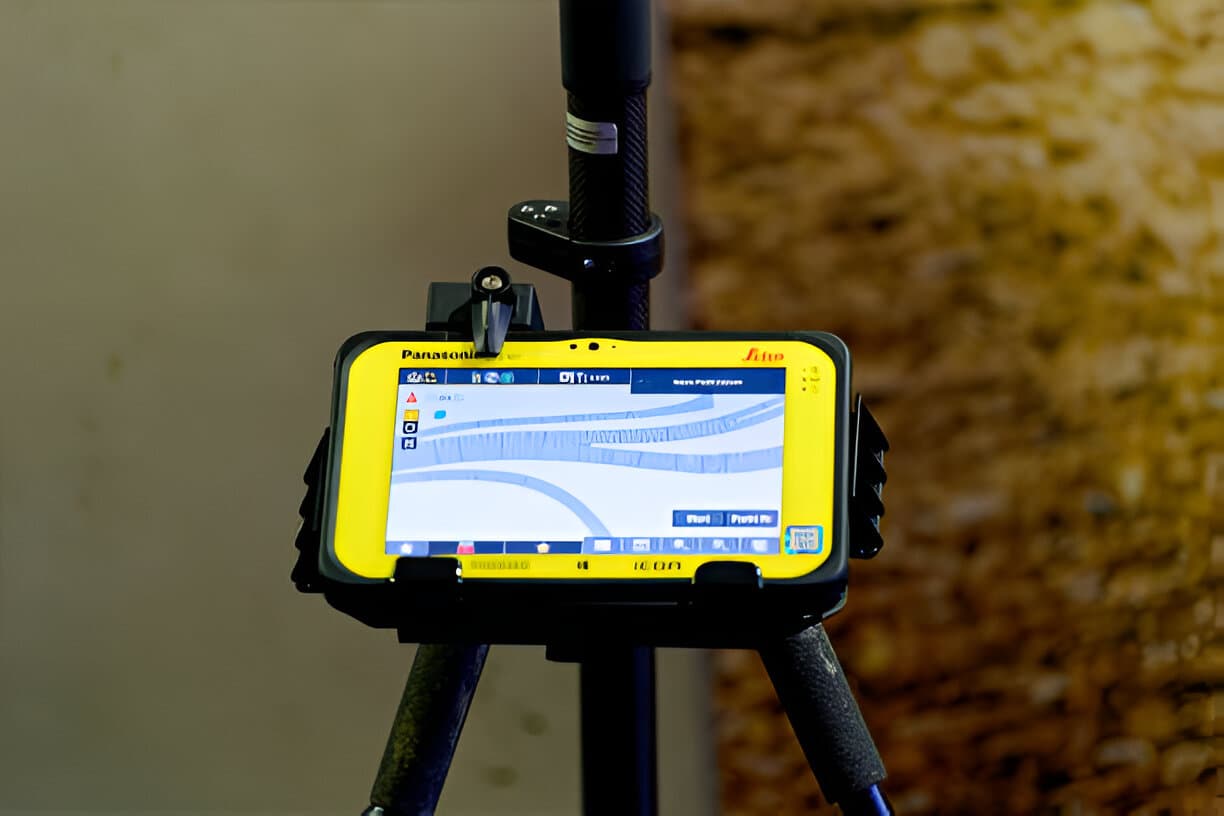
This is the step most buyers skip, and the one that causes the most disputes. A licensed surveyor picks up the beacons on the ground and checks them against the official coordinates. Beacons shown by an agent or seller are sometimes in the wrong place, or are the beacons of a neighbouring plot.
5. Confirm the acreage
The area measured on the ground should match the area on the title. If it doesn't, find out why before signing; it may affect the price or show a deeper problem.
6. Check access, zoning and land use
Make sure the plot has legal road access and that its approved use matches your plans. Check with the county planning office if you intend to build something other than what the area is zoned for.
7. Land Control Board consent (agricultural land)
Transfers and subdivisions of agricultural land generally need consent from the Land Control Board. Your advocate will advise whether it applies to your transaction.
8. Use an advocate for the sale agreement and transfer
A qualified advocate should draft the sale agreement, hold or release payments as agreed, and handle the transfer and stamp duty. Your surveyor and advocate should work together so the land you pay for is the land registered in your name.
Quick checklist
- Copy of title and seller's ID/KRA PIN
- Your own official search
- Registry index map and survey records
- Beacon verification by a licensed surveyor
- Acreage confirmed on the ground
- Access, zoning and land use checked
- Land Control Board consent where needed
- Sale agreement and transfer by an advocate